Kinematic design
Linkage and envelope studies, reach and payload trade-offs, tolerance stack-up before anything is cut.
01 Robotics engineering
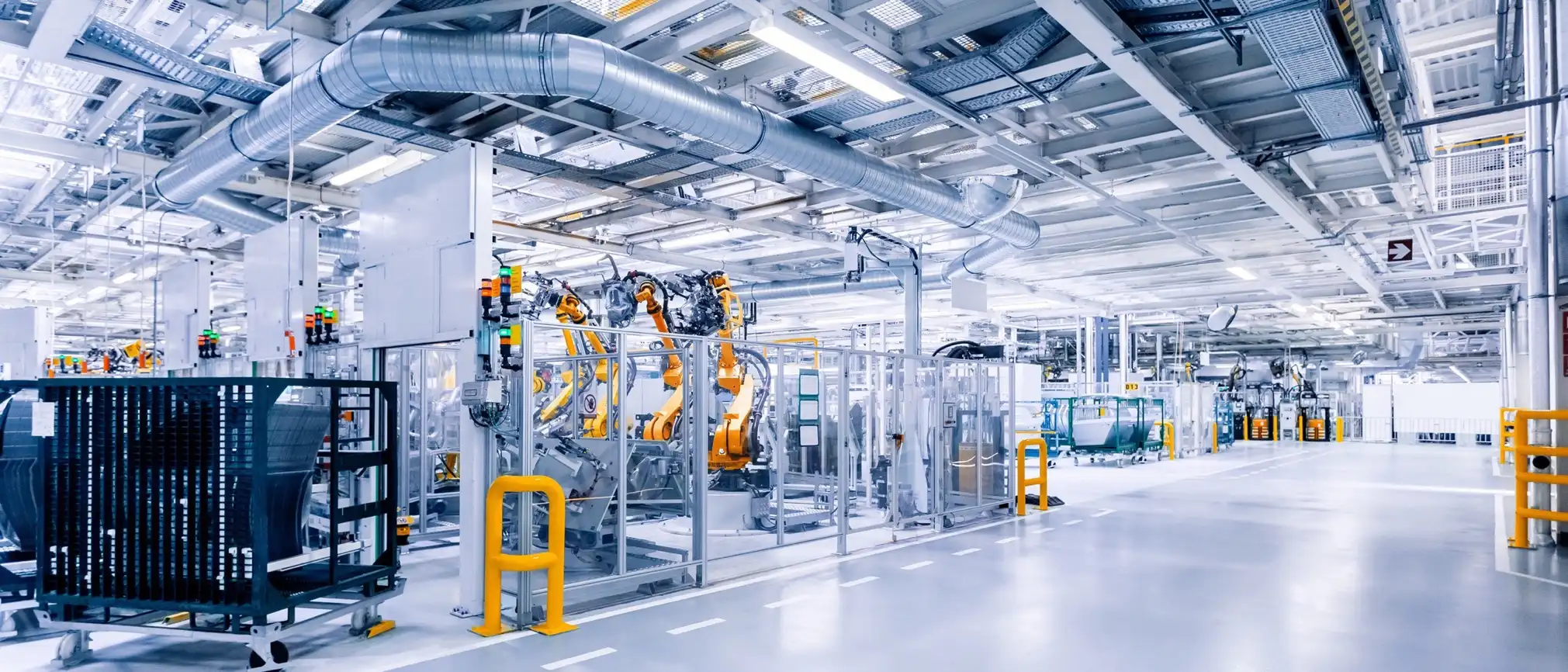
Design, build and commissioning of motion systems for industrial applications — from kinematic concept through controls and on-site integration.
02 Capabilities
The disciplines we staff in-house — engaged end-to-end, or at the stage where you need depth.
Linkage and envelope studies, reach and payload trade-offs, tolerance stack-up before anything is cut.
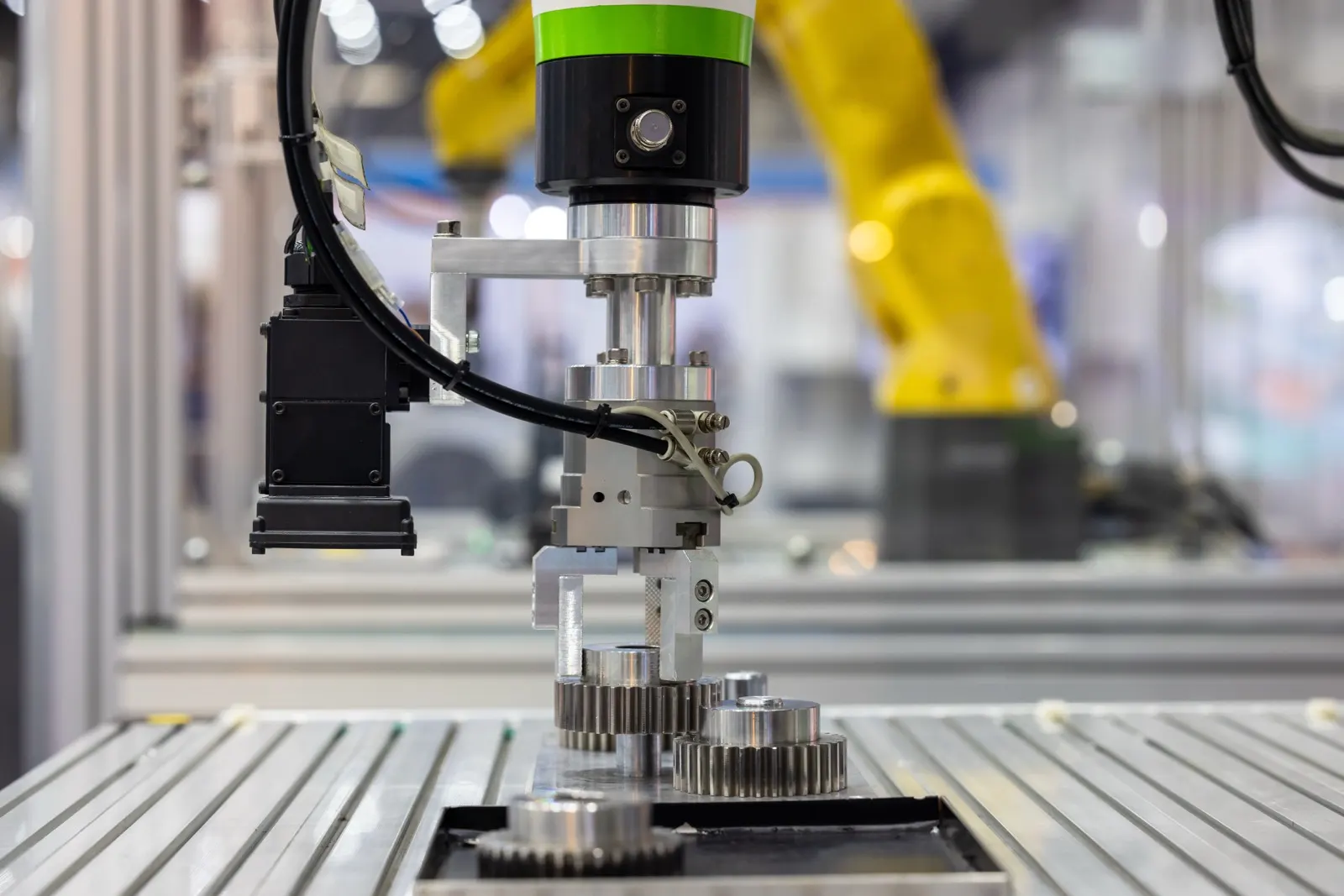
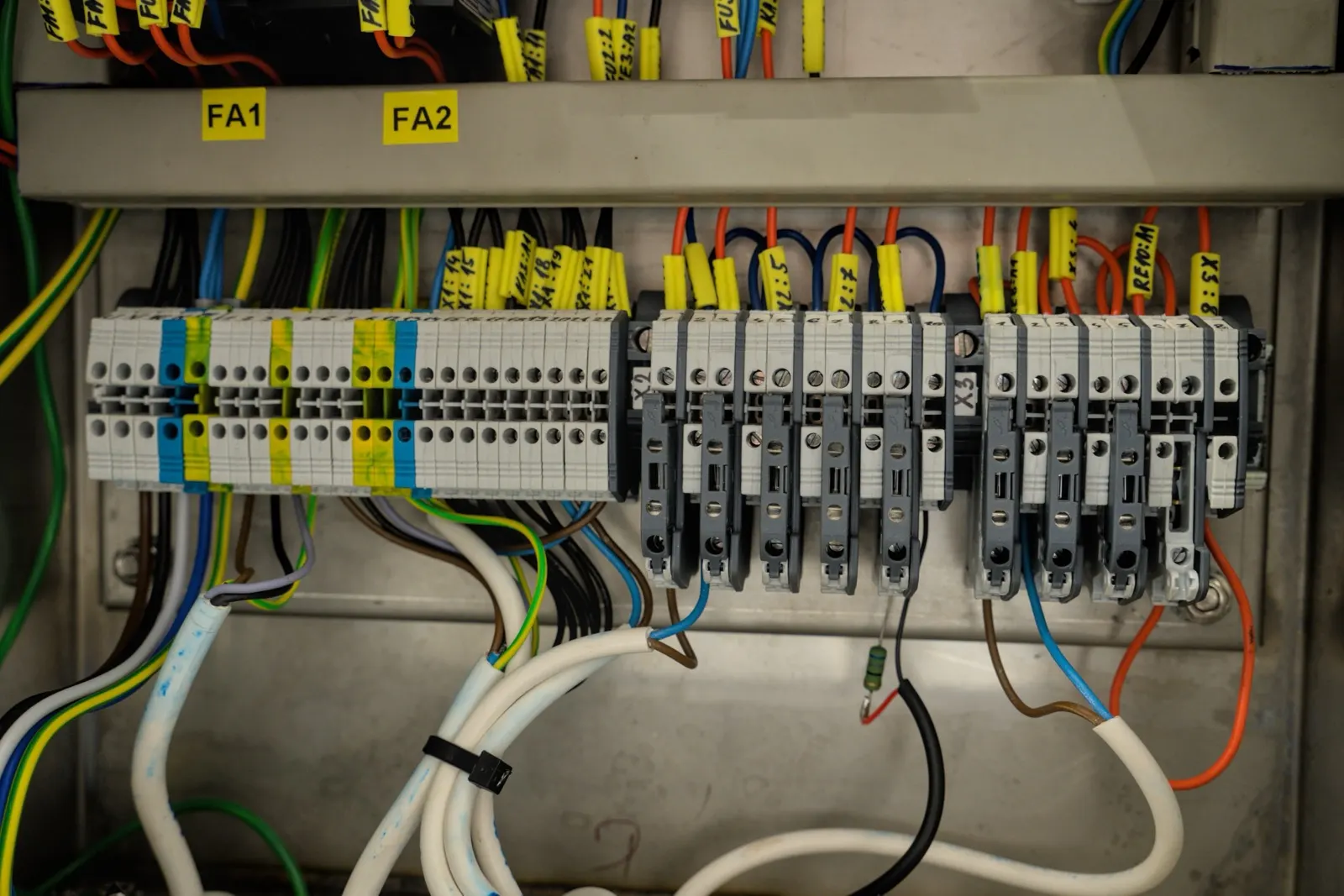
Servo sizing, trajectory planning, PLC and motion-controller integration with documented I/O.
Frame and end-effector design, stiffness and deflection analysis, material selection for duty cycle.
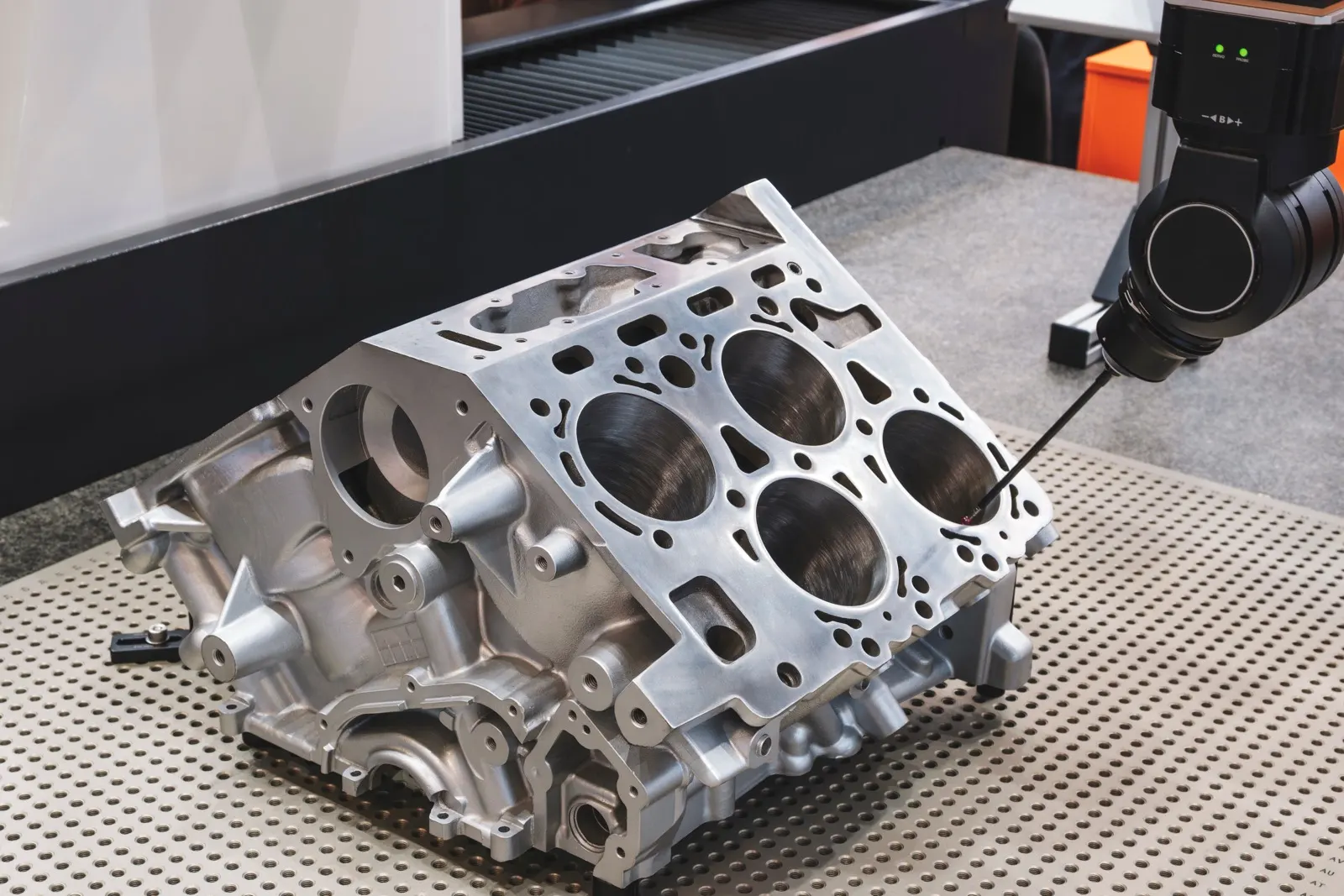
Drawing packages, tolerance callouts and vendor coordination through to first article.
On-site installation, alignment, dry-run and handover with as-built documentation.
Assessment of existing lines, drop-in upgrades and controls migration on legacy machines.
Perception where it pays its way: vision-guided picking, automated inspection, anomaly detection — built into the cell, not bolted on after. A model is qualified like any other component: against a spec, on the line, with a deterministic fallback when confidence drops.
03 About
LDX is a robotics engineering firm. We work in small teams, take a problem from requirement to running machine, and stay on the job through commissioning.
Small teams. Direct engineer contact. On the job through commissioning.
04 Selected work
Three shapes of work we take on, from the first envelope study to a running machine.
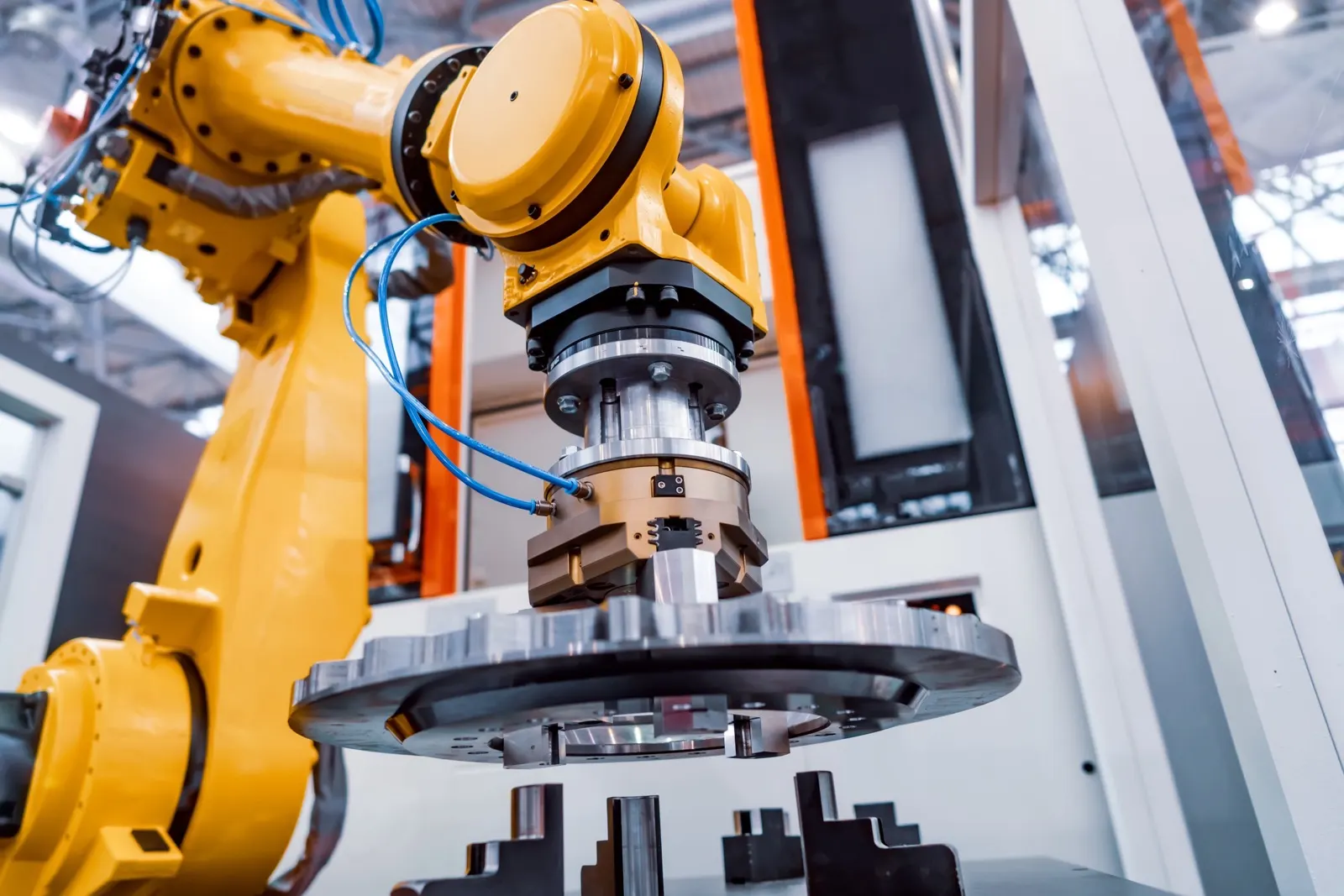
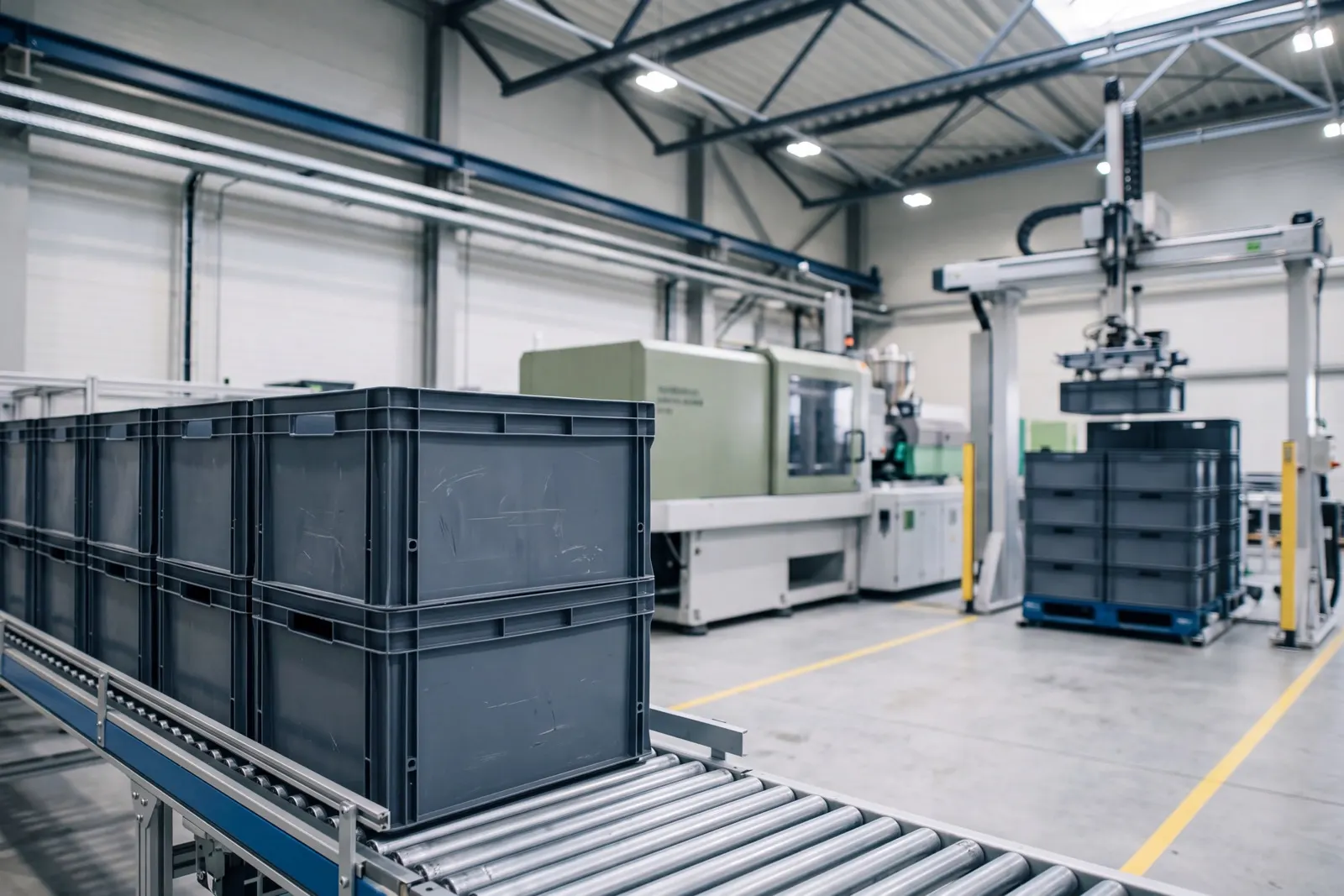
A pick-and-place cell for a mixed-format line: envelope and reach studies, a custom end-effector, vision-guided placement, safety fencing and commissioning as one engagement.
Controls migration and drive replacement on an existing gantry: assessed in place, cut over in planned windows, commissioned without losing the line.
Bespoke fixturing and actuation for repeat-cycle durability testing, instrumented so the data lands in your existing stack, not a new one.
05 Contact
Send the requirement, the constraint you keep hitting, or the drawing you already have.